what are you looking for?

When requesting an industrial air compressor price, a motor rating alone leaves key questions unanswered. A useful quotation needs a defined application, operating pressure, airflow demand, duty cycle, installation conditions and supply scope. Sending these details upfront helps suppliers propose a suitable configuration and makes it easier to compare what each offer actually includes.
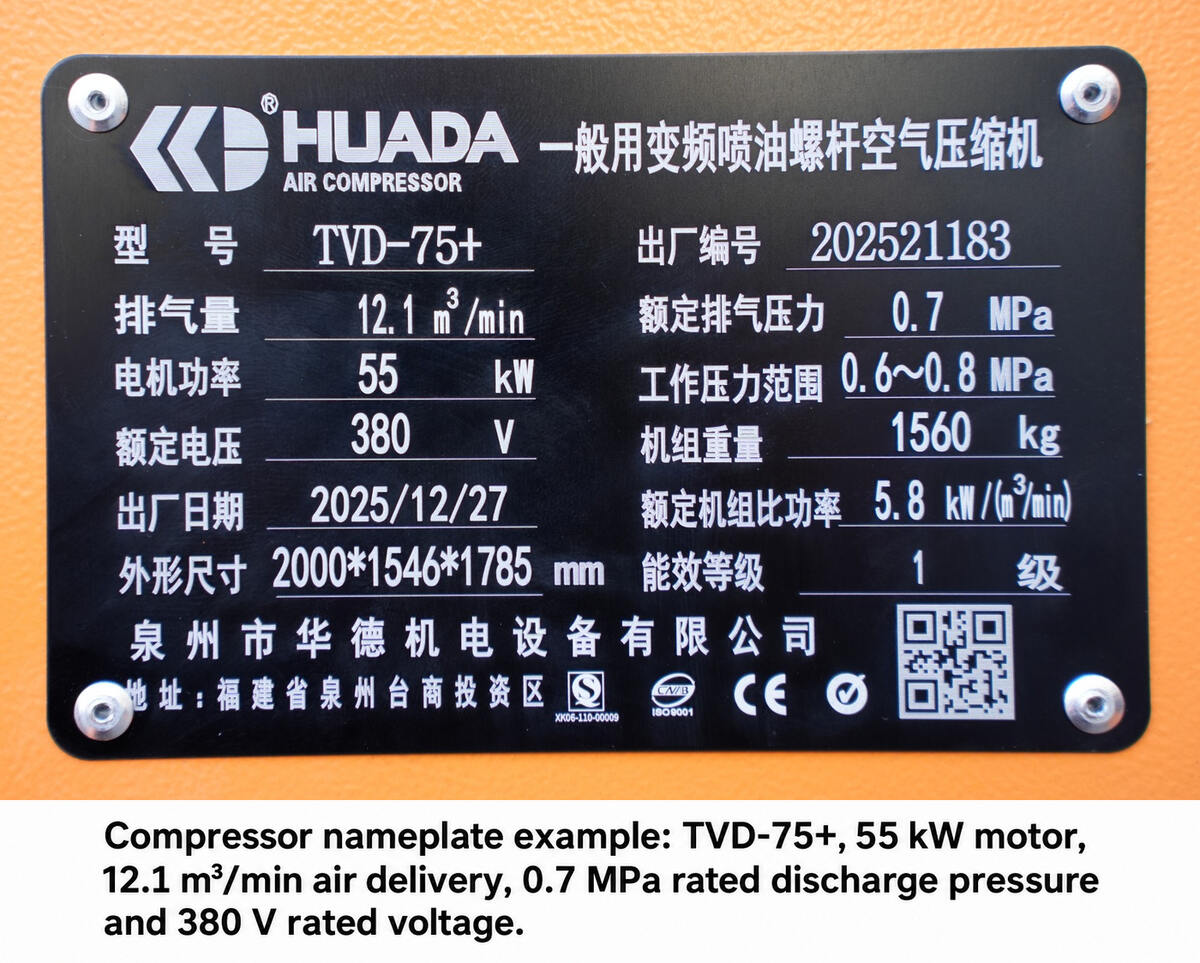
For a screw type air compressor, state the minimum pressure required at the consuming equipment and the airflow needed during normal operation and sustained peaks. Ask the supplier to account for pressure losses through dryers, filters and piping when determining the required compressor discharge pressure. Request free air delivery (FAD) at that operating pressure, with its reference conditions stated; motor kW and theoretical displacement are not substitutes. If measured demand is unavailable, provide an equipment list and simultaneous-use schedule for an initial assessment, then confirm critical values before ordering.
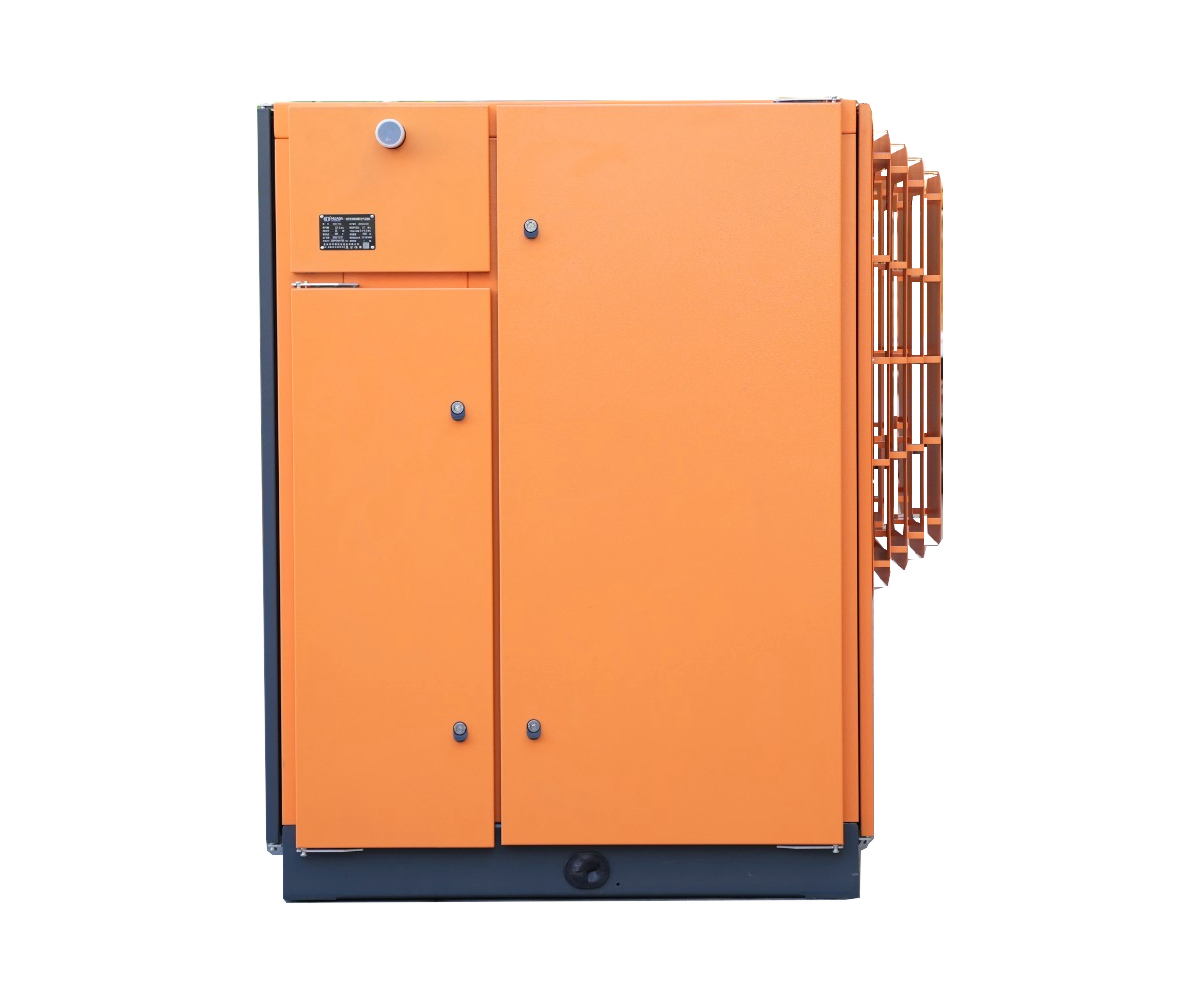
Explain how the plant uses air: hours per day, shifts, whether demand is steady or variable, and which machines run together. Include existing compressor specifications, available operating records and planned production changes. Also describe the process and required air quality, including particle, moisture and oil limits where specified. These requirements help determine compressor capacity, control strategy and the required drying and filtration arrangement.
Describe the installation site. Confirm supply voltage, phase and frequency, expected ambient temperature, altitude if relevant, ventilation, available space and maintenance access. Include the existing piping arrangement when replacing a compressor or adding capacity. The same motor power does not guarantee identical airflow, electrical compatibility or installation requirements, so the quotation should match the actual configuration and site conditions.
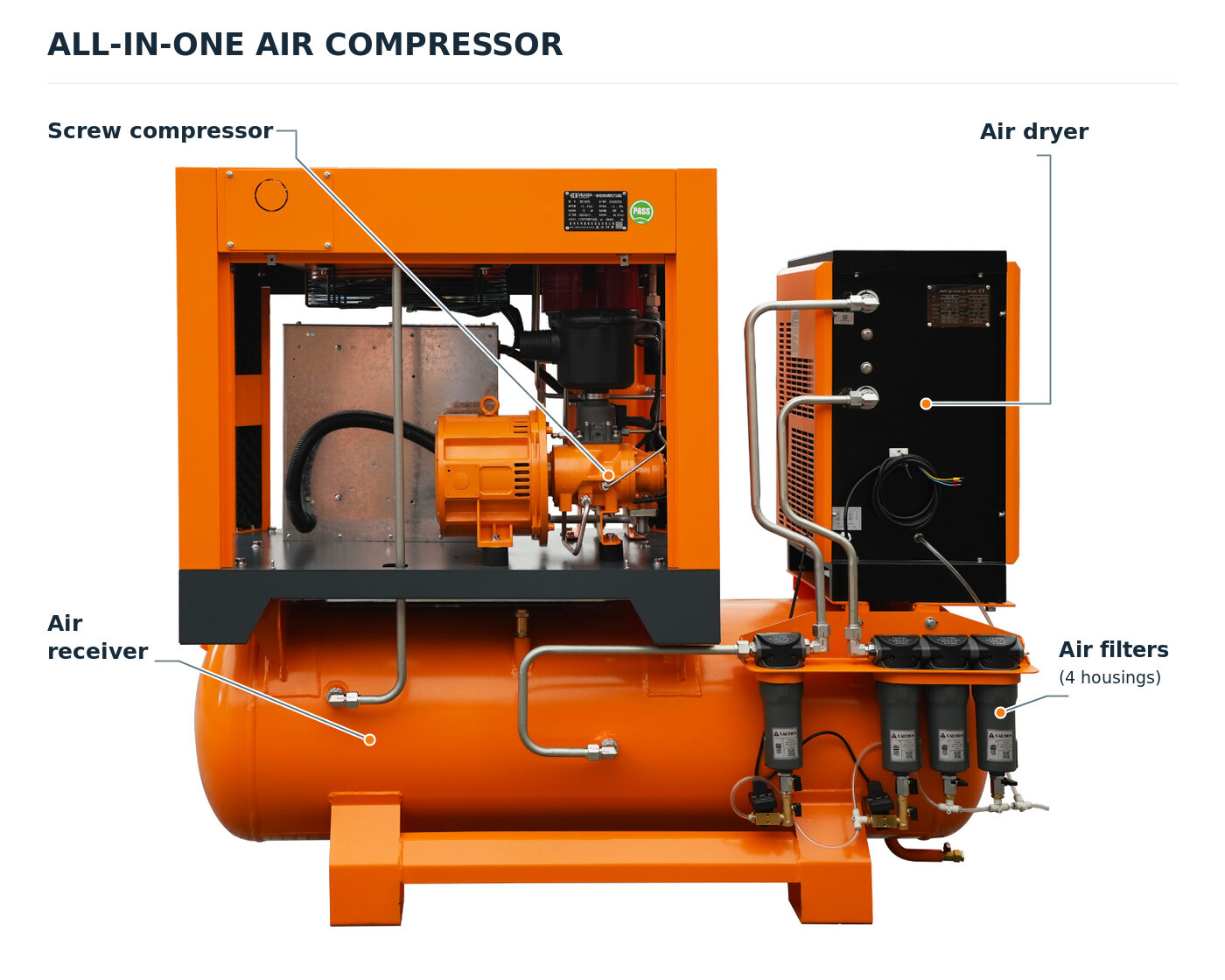
Define the package before comparing totals. For an all in one compressor, confirm exactly which receiver, dryer, filters, drains and connections are included; integrated packages can differ in both equipment and treatment performance. For a separate system, ask suppliers to itemize the equivalent components. Specify required documentation, initial spare parts, packaging and delivery destination, and agree the delivery terms. Compare equipment scope and any separately priced freight, installation or commissioning services on the same basis.
Use this enquiry checklist: application and air-quality target; minimum machine-inlet pressure; required airflow and reference conditions; operating schedule; site power and environment; existing equipment; package scope; delivery destination and required delivery date. Mark unknown values as “to be confirmed” and attach photos, equipment lists or operating records. Send these details to HUADA to discuss an appropriate configuration and request an itemized quotation. A clearer specification gives you a stronger basis for comparing offers and making a purchasing decision.



 IPv6 network supported
 English
 français
 Deutsch
 русский
 español
 português
 日本語
日本語 한국의
한국의 ไทย
ไทย 中文
中文